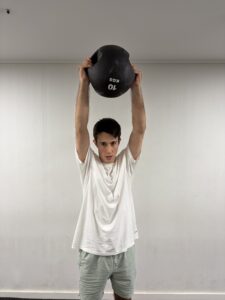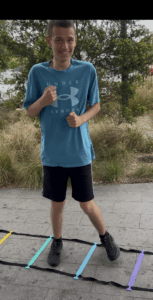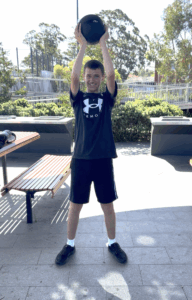
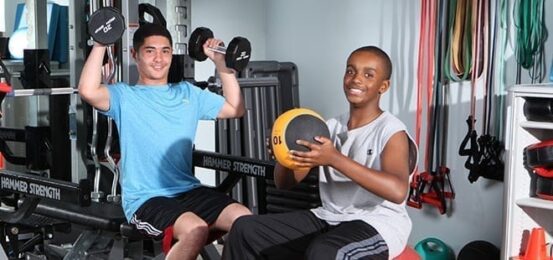
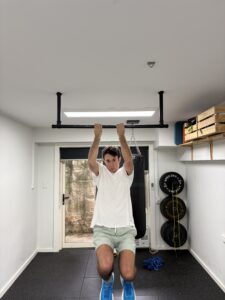
Children, teenagers, and young adults on the autism spectrum often experience unique challenges with movement, coordination, sensory processing, emotional regulation, and social interaction. Exercise Physiology provides structured, evidence-based movement support that can significantly enhance both physical and emotional wellbeing across all developmental stages.
At Akeso Natural, our Accredited Exercise Physiologist works with children, teens, and young adults on the autism spectrum to create safe, engaging and personalised movement programs that support each individual’s needs, strengths, and personal goals.
How Exercise Physiology Supports Individuals on the Autism Spectrum
Movement is a powerful tool for supporting people on the autism spectrum. When delivered in a calm, structured and person-centred way, exercise can help improve:
1. Motor Skills & Coordination
Many individuals on the spectrum experience delays or difficulties with gross and fine motor skills. Targeted movement can support:
-
Balance and body awareness
-
Hand-eye coordination
-
Walking, running and posture
-
Core strength and stability
2. Sensory Regulation
Exercise can help regulate the nervous system and support sensory processing by:
-
Reducing sensory overload
-
Improving tolerance to physical sensations
-
Supporting proprioception (body awareness)
-
Creating predictable and calming routines
3. Emotional Regulation & Behaviour
Regular movement has strong links to emotional wellbeing. Exercise Physiology can assist with:
-
Reducing anxiety and agitation
-
Supporting emotional self-regulation
-
Improving focus and attention
-
Providing healthy outlets for energy and stress
4. Social Skills & Confidence
Through structured and supported movement, individuals can:
-
Build confidence in their body
-
Practice turn-taking and communication
-
Improve engagement with others
-
Develop a sense of achievement and independence
5. Functional Independence
Programs are aligned with real-life goals such as:
-
Participating in school, work or sport
-
Improving daily living skills
-
Building resilience and adaptability
-
Supporting transitions and routines
-
Developing lifelong healthy habits
Our Approach at Akeso Natural
Our work with children, teens, and young adults on the autism spectrum is:
-
Individualised – tailored to each person’s needs, interests and sensory profile
-
Engaging and age-appropriate – sessions are matched to developmental stage
-
Evidence-based – delivered by an Accredited Exercise Physiologist
-
Supportive and patient – respecting each person’s pace and comfort
-
Family and participant-centred – involving parents, carers and support teams where helpful
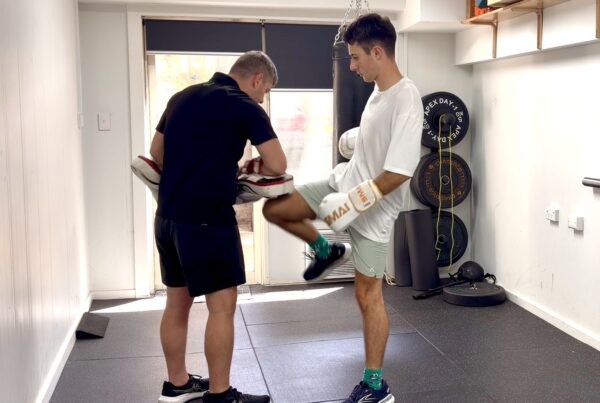
We also incorporate boxing-inspired and functional movement activities where appropriate, to support coordination, reaction time, emotional regulation, confidence, and self-esteem in a structured and empowering way.
NDIS Support for Autism
Exercise Physiology for individuals on the autism spectrum is commonly funded through the NDIS under Capacity Building – Improved Daily Living, and sometimes through community participation supports.
We work with:
-
Self-managed participants
-
Plan-managed participants
-
Families, carers and support coordinators
Programs can be delivered in:
-
Clinic settings
-
Home environments
-
Schools, gyms or community spaces
The Bigger Picture
Our goal isn’t just exercise — it’s supporting individuals to:
-
Feel safe and confident in their body
-
Develop emotional resilience
-
Improve daily function and independence
-
Build a positive relationship with movement
-
Strengthen self-belief and self-identity
At Akeso Natural, we see movement as a powerful foundation for long-term wellbeing, independence, and quality of life at every stage of development.